
Most people assume 1920s male fashion was just dapper suits and flashy accessories. That’s part of it, sure, but the decade was a genuinely peculiar mix of rebellion and conformity, and what men wore reflected that contradiction pretty clearly. Walk down a bustling New York street in the Roaring Twenties and you’d see sharply tailored suits next to relaxed ensembles that hinted at leisure and something almost defiant.
Picture a young man named Frank slipping on his raccoon fur coat, a luxury that cost him somewhere between $400 and $600 in 1920s money. That detail sticks with me because it captures the whole era: men weren’t just dressing for work or a night out, they were building an identity, consciously, in real time.
What Men Actually Wore Daily
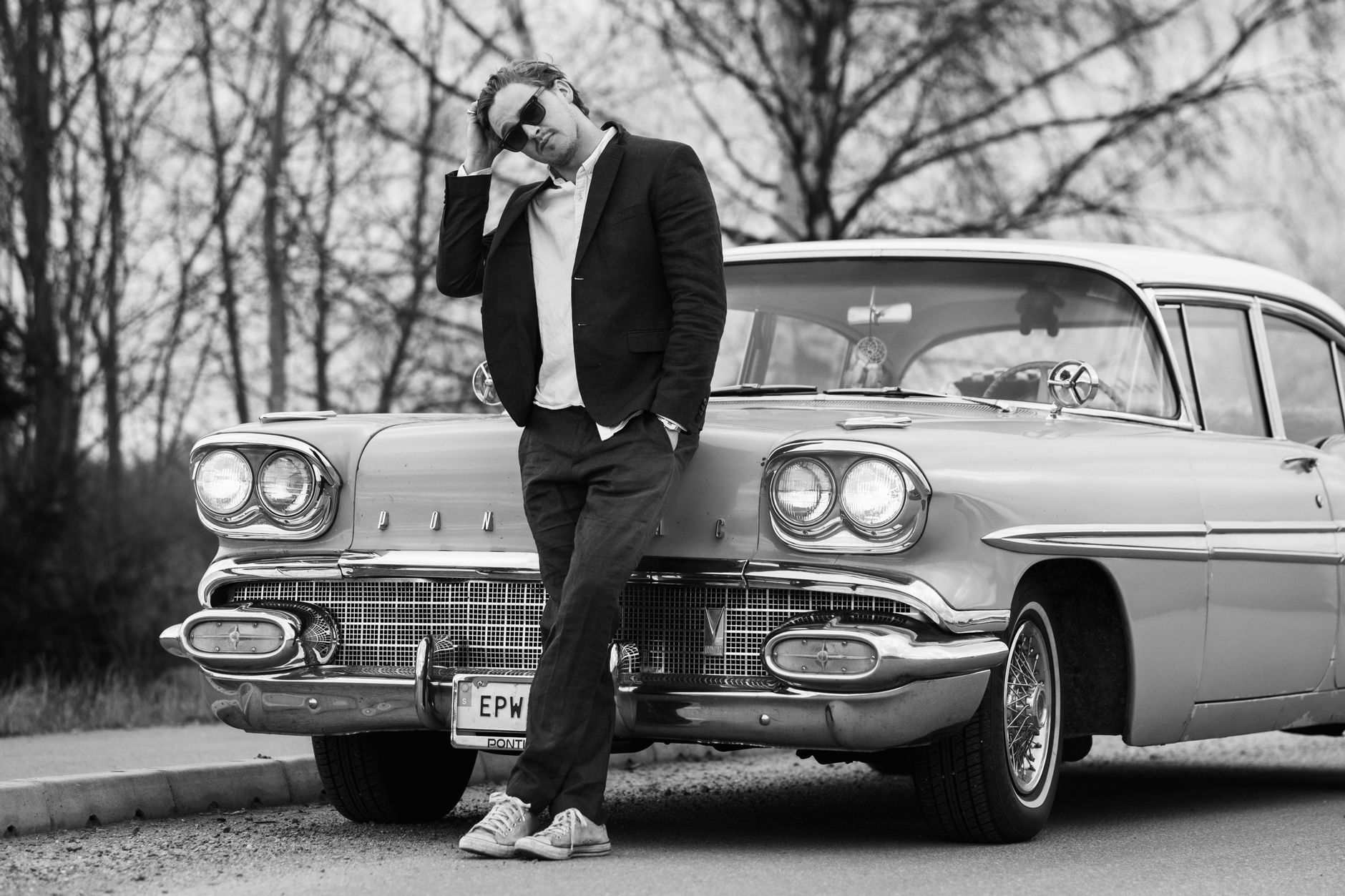
Everyday wear in the 1920s was more complicated than a suit-and-tie routine. By the mid-1920s, the lounge suit had essentially pushed out the frock coat as standard business attire. It was practical, it looked good, and it moved easily between a boardroom and an evening out.
But comfort was genuinely in fashion too. Working-class men and university students were reaching for Oxford bags, trousers with leg widths hitting around 24 inches. These broke sharply from the rigid silhouettes of the decade before. On a relaxed day, Frank might wear white flannel trousers instead, something suited to a summer afternoon or a game of tennis. Social occasions still dictated a stricter dress code, though, and men would swap to tailored waistcoats and patterned shirts when the evening called for it.
The Dandy Extreme and Sportswear
The 1920s gave rise to a new kind of dandyism, high society flair blended with the practicality of a sporting man. Fair Isle sweaters caught on quickly, popularised by Prince Edward in 1921. Worn with a blazer, they struck a balance between relaxed and pulled-together that made them a genuine wardrobe staple for weekend socialites.
And then there were the shoes. Two-tone spectator shoes peaked roughly between 1925 and 1929, becoming a recognisable symbol of modern masculinity. Bold contrasting colours, hard to miss. Frank probably owned a pair and wore them out on a Saturday night with a tailored suit. As the decade went on, the line between formal and leisure wear blurred more than most fashion histories admit, and men started mixing elements in ways their fathers would’ve found baffling.
Hats, Shoes, and Accessories
Hats were doing real work in completing the 1920s male look. The fedora handled formal outings, while a boater signalled something more casual, maybe a seaside afternoon. Which hat you picked could spark actual debates among peers, which sounds absurd now but tells you how seriously men took these signals.
For shoes beyond the spectators, brogues and oxfords were everywhere. Frank would’ve worn polished dress shoes for formal events and something softer on casual days, perhaps loafers with his wider trousers. I’ll admit I’m not entirely sure where the loafer fits chronologically in this period, so take that detail with some caution.
Accessories rounded everything out. Pocket watches, ties, cufflinks, none of them purely decorative. They communicated status and character in a society that was reading those signals constantly. Frank, for his part, wouldn’t leave home without a carefully chosen tie, even on simpler days.
What This Era Still Tells Us
1920s male fashion was a genuine crossroads. Men chose clothes that reflected their lifestyles, their class, and increasingly, who they wanted to be rather than who they were born as. The clothes weren’t just clothes. They were the argument a man was making about himself.
FAQs
What did men wear in the 1920s?
Lounge suits for work, Oxford bags for leisure, and accessories like fedoras and two-tone shoes for evenings out. 1920s male fashion balanced conformity with quiet rebellion.
Did men wear suits every day in the 1920s?
Not always. Casual wear gained real ground, especially for leisure, and many men mixed tailored pieces with more relaxed options depending on the day.
What shoes were popular for men in the 1920s?
Two-tone spectator shoes and brogues were the go-to choices, selected mainly by occasion rather than strict rules about style.