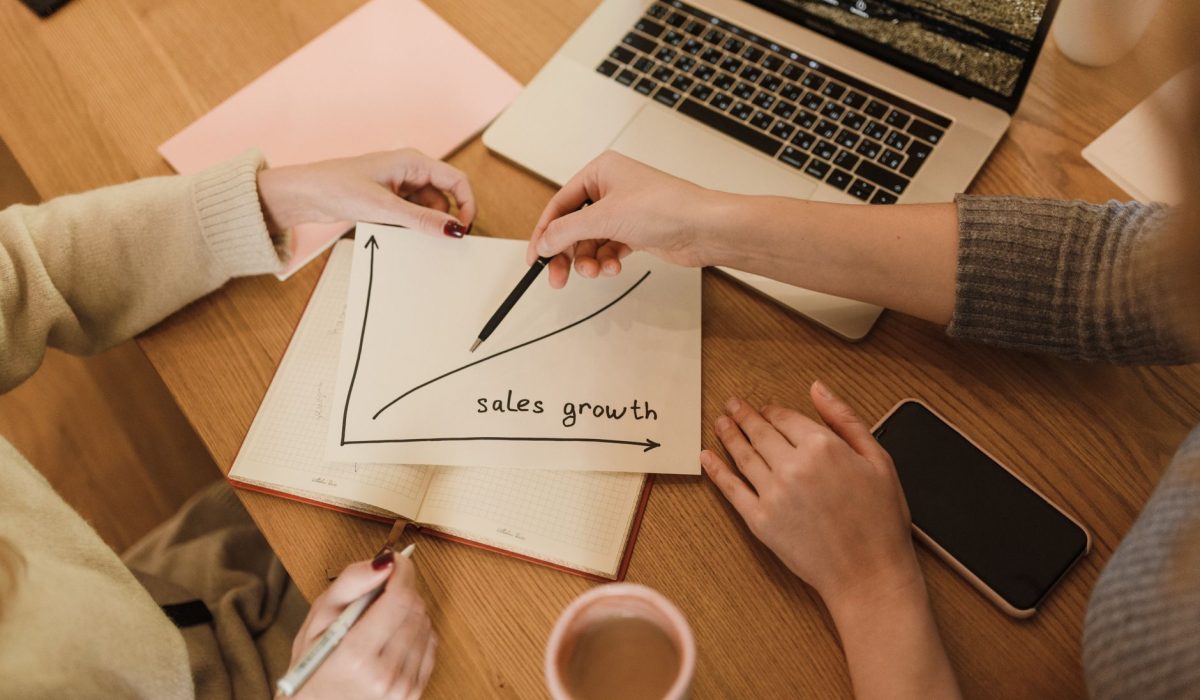
Here’s a number worth sitting with: businesses that focus on keeping existing customers, rather than chasing new ones, spend roughly five times less per sale. Knowing how to increase sales in your business often comes down to plugging the gaps you already have, not buying more traffic to pour into a leaky bucket. The fastest revenue gains, in most cases, come from operational tweaks that take days to implement, not a six-month rebrand.
Most owners reach straight for the marketing budget when growth stalls, more ads, a bigger agency retainer, a fresh campaign, and that instinct is understandable but usually wrong. When your follow-up process is slow, your pricing structure confuses people, and abandoned carts are just sitting there untouched, more traffic only exposes those problems at a larger scale. You end up paying to show more people a broken experience.
Fix the Leaks First
Abandoned cart recovery is one of the most underused tools in e-commerce and service businesses alike, and the numbers make a pretty strong case for taking it seriously. A recovery email sent within a few hours of abandonment typically pulls back between 5% and 11% of those lost sales, revenue that was already close to converting and just needed a small nudge. Compare that to cold outreach, where conversion rates can sit below 1%, and the math gets obvious fast.
Social proof is similarly overlooked, which is a shame because the upside is substantial. Adding verified reviews, case studies, or even a simple customer count to a product or service page can increase purchase likelihood by up to 270%, according to consumer research, and most businesses already have happy customers who would leave a review if someone actually asked them. That ask just never happens consistently. So the reviews never accumulate, and the page keeps converting at a rate that’s quietly costing money every single week.
Tactics That Move Numbers Fast
Upselling is probably the quickest lever you can pull, and when it’s done without pressure, offering a higher-tier option or a complementary add-on at the moment of purchase, it raises average order value by somewhere between 10% and 30%. A coffee shop nudging a pastry alongside a flat white, a SaaS tool offering an annual plan at checkout, a mechanic recommending a filter change during a routine oil service: the underlying mechanics are identical across every industry, even if the product looks completely different.
Pricing anchoring works along similar lines. Present your premium option first and the mid-tier suddenly looks like the sensible choice rather than an upgrade, which is why businesses that restructure their pricing pages this way often see premium tier uptake rise by as much as 20%. The product itself doesn’t change at all, just the framing around it.
Follow-up speed matters more than most people realise, and the gap is bigger than you’d expect. Leads contacted within 24 hours convert 21% more often than those reached later in the week, and a simple automated email sequence triggered by a form fill or demo request handles this without any manual effort once the initial setup is done. It’s one of those configurations that pays back the hour it takes to build, usually within the first fortnight.
Building Gains That Stick
Knowing how to increase sales in your business over the long run means building systems rather than running one-off campaigns that fade after the first month. A CRM is the clearest example: Salesforce data shows businesses using one see a 29% average sales increase, largely because follow-ups stop falling through the cracks and customer history actually informs each conversation rather than starting from scratch every time. Pair that with a quarterly review of your upsell offers, your review-gathering process, and your email sequences, and the gains start to compound on each other instead of quietly eroding.
FAQs
How to increase sales without increasing budget?
Focus on what you already have: existing customers, warm leads, and abandoned enquiries. Upselling, review generation, and faster follow-up emails are all low-cost or free to implement and tend to produce results within weeks rather than months.
What is the fastest way to increase business sales?
Abandoned cart recovery emails and same-day lead follow-up are usually the fastest movers, since both target people who were already interested. Combining those with a simple upsell offer at checkout can lift revenue noticeably within the first 30 days.
How does customer retention affect sales growth?
Retained customers cost far less to sell to again and tend to spend more per transaction over time. Even a 5% improvement in retention can increase profits by 25–95%, depending on the industry, which makes it one of the highest-return areas to invest in.
For more pieces like this one, browse the rest of our Business coverage.

1 Comments