
Healthy quick breakfast ideas often seem speedy but can leave you feeling empty by mid-morning. I’ve seen folks trade a hearty bacon-and-egg roll for a singular banana, thinking that’s a nutritious swap. Sure, it’s quick and easy on the wallet, but that banana delivers just 1g of protein and hardly any fat. Before you know it, hunger pangs hit hard, often leading you to the office snack stash.
The real issue with quick breakfasts isn’t just their speed. Most convenient choices are heavy on carbs and light on protein, which is a combo that guarantees you’ll be on a food hunt before lunchtime rolls around. The World Health Organization suggests that breakfast should cover about 25% of your daily calorie needs, while many sports nutrition experts recommend aiming for around 30g of protein per meal. That might sound daunting at 7am, but it’s doable once you know which foods deliver the goods.
Why Quick Breakfasts Often Miss the Mark
Consider a typical “nutritious” breakfast: a bowl of muesli with milk and maybe a piece of fruit. Depending on how much you pour, you’re looking at around 6 to 10g of protein. Peanut butter toast isn’t much better, with about 8-10g for two slices. Both seem healthy but still leave you short on that 20g protein goal until dinner time. Over time, this gap can lead to energy crashes in the afternoon and larger meals in the evening.
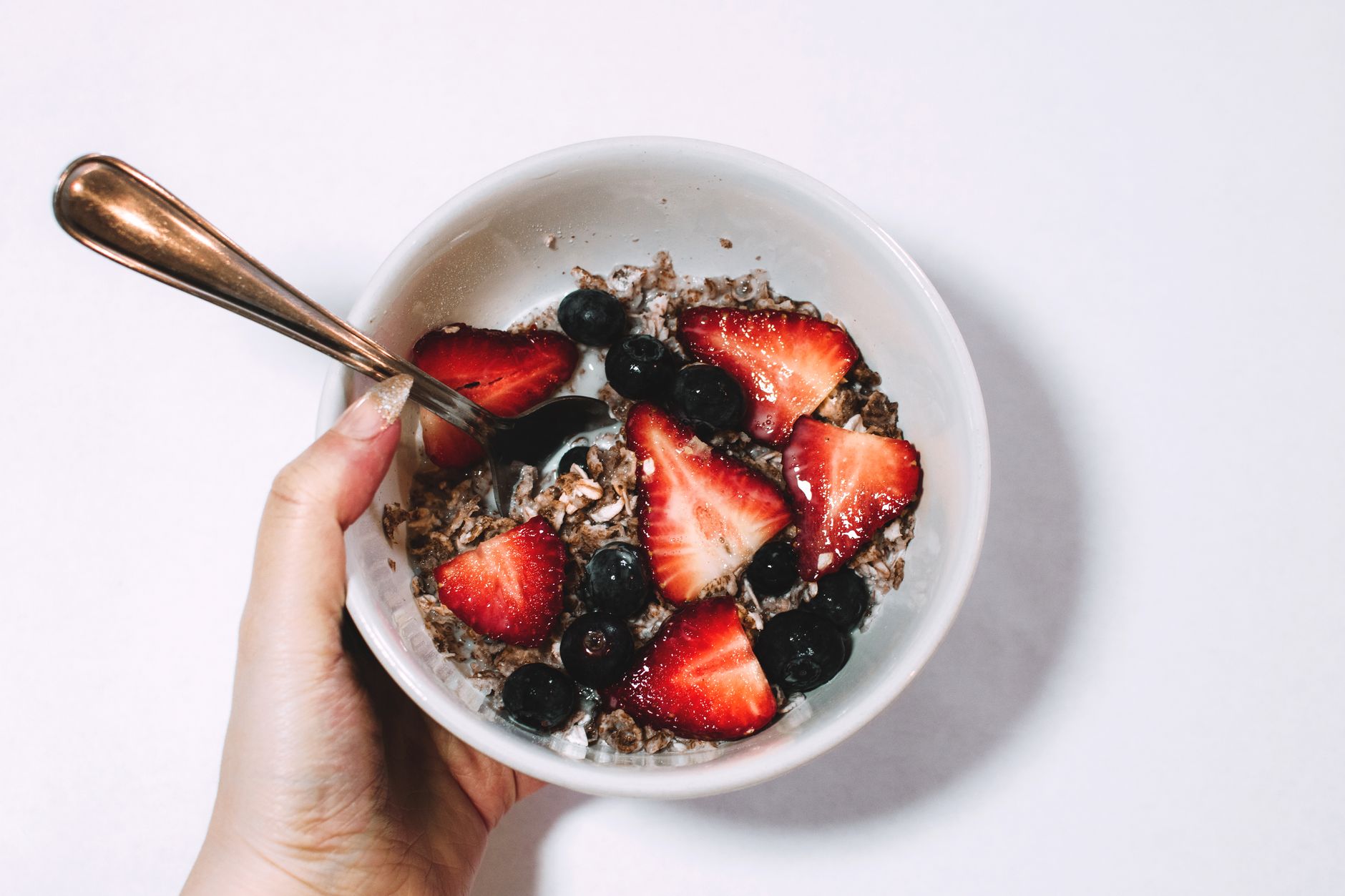
The foods that dominate the quick breakfast scene—think granola bars, fruits, smoothies without protein powder, or various cereals—have this same shortcoming. They’re fast because they need no prep, but they often consist mainly of sugar and starch. Even an açaí bowl from a café can cost you around $10 and yield just 5g of protein. You’re paying for how it looks, not its nutrition.
Making breakfast at home usually costs about $1.50 a serving if you shop wisely. That difference between $1.50 for a homemade meal and the $8–12 you’d shell out at a café can really add up over a week. Plus, those café options typically fall short on protein anyway.
Seven High-Protein Breakfast Ideas
So, what do I actually suggest? Here’s a list, roughly in order of required morning effort:
- Overnight oats with protein powder or Greek yogurt mixed in (no morning prep necessary)
- Greek yogurt paired with nuts and seeds (17g of protein in just one cup)
- Scrambled eggs cooked in under 3 minutes
- Cottage cheese with fruit—surprisingly packed with 14g protein per half cup
- A high-protein smoothie made with Greek yogurt, frozen berries, and protein powder
- Egg muffins baked in advance, ready to reheat in 90 seconds
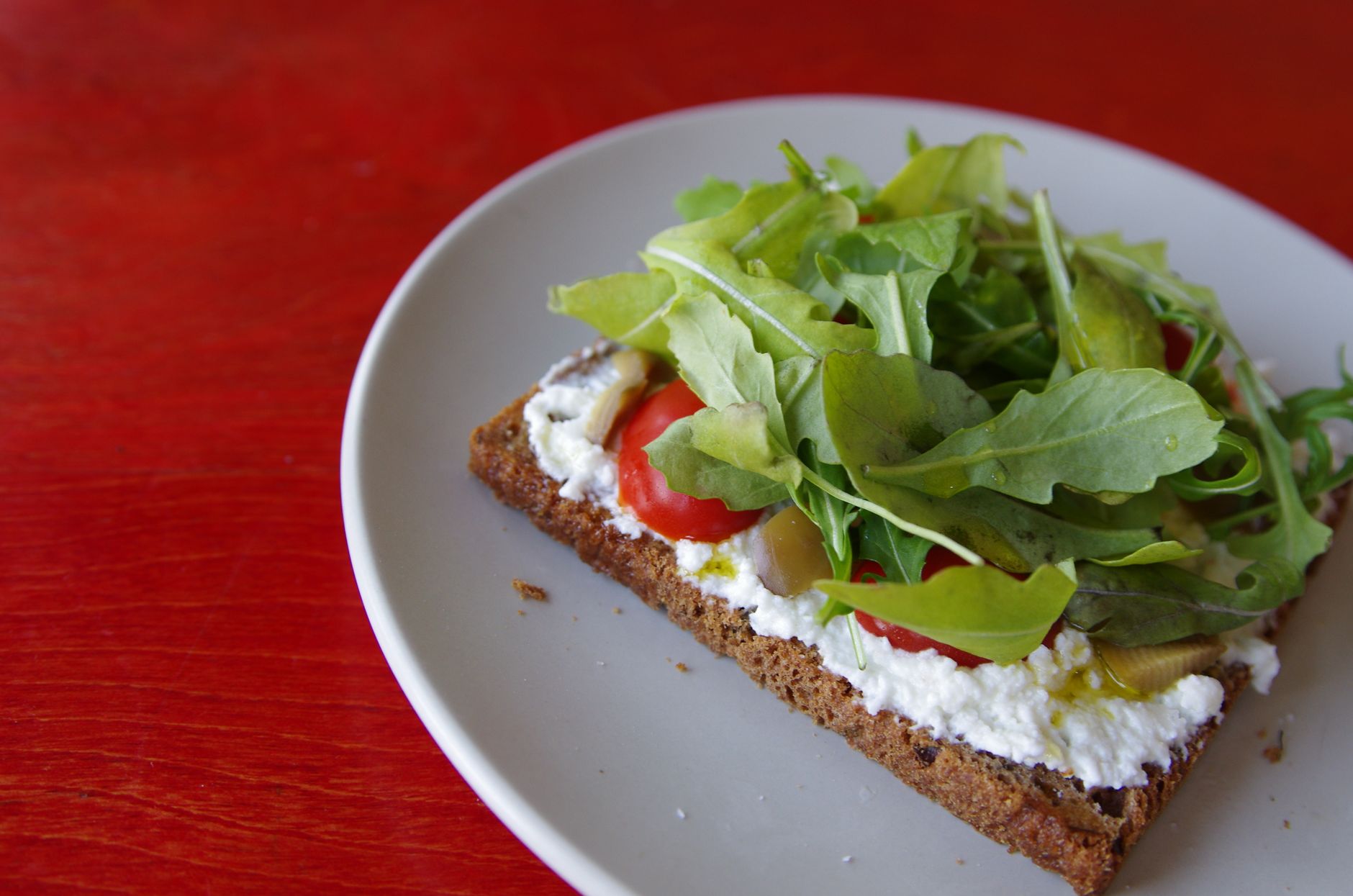
- Smoked salmon on rye bread accompanied by a hard-boiled egg made the night before
I personally whip up overnight oats almost every Monday through Thursday. The night before, I combine 60g of rolled oats, one cup of Greek yogurt, a splash of milk, and a tablespoon of chia seeds in a jar. It takes about 90 seconds to set up and gives me about 22–24g of protein without added powder. I can even boost that over 30g by tossing in some hemp seeds or a scoop of unflavored whey. Total morning effort: none. Cost? Around $1.40.
Scrambled eggs are another breakfast favorite. Three eggs in a hot non-stick pan with a touch of butter takes less than 3 minutes if you keep the heat high. Toss in two slices of smoked salmon, and you’re looking at about 35g of protein. Many people complicate egg dishes by saving them for weekends, but they’re actually quicker than waiting for bread to toast.
Setting Up a Weekly Breakfast Plan
The five-minute prep rule actually helps—but only if you’ve done some planning beforehand. Healthy quick breakfast ideas work best when you establish a system once, rather than winging it each morning.
Here’s how I do it: on Sunday nights, I hard-boil six eggs and make four jars of overnight oats. That might take me about 20 minutes total, covering most of my week. From Monday to Thursday, breakfast takes under 2 minutes of active time. Fridays, I usually opt for scrambled eggs since I have a bit more time and enjoy a warm meal to kick off the weekend.
Keeping a simple shopping list is more helpful than any detailed recipes. Greek yogurt, eggs, oats, nuts, frozen fruit, and one protein source (like smoked salmon, cottage cheese, or even canned tuna if you’re feeling adventurous) will cover most variations. These items are affordable and easy to find, and you don’t need to be a master chef to prepare them.
If you’re really rushed one morning, combining Greek yogurt with a tablespoon of almond butter and some frozen berries takes just 60 seconds and still gives you close to 20g of protein. It’s not perfect, but it’s certainly better than skipping breakfast or grabbing a sugary muffin. Generally hitting your healthy quick breakfast ideas on most days matters more than doing so perfectly just a few times a week.
FAQs
What is the healthiest quick breakfast?
Greek yogurt with nuts and seeds, or overnight oats with added protein, both provide 20–30g of protein in under 2 minutes and cost less than $2.
Can I lose weight eating breakfast every day?
A high-protein breakfast usually helps curb hunger later, cutting down on overeating at lunch and dinner. However, results depend on your overall daily intake.
What has 30g protein for breakfast without eggs?
Combine Greek yogurt with hemp seeds and cottage cheese to reach that target. A protein smoothie using two scoops of whey and milk also fits the bill without using eggs.