

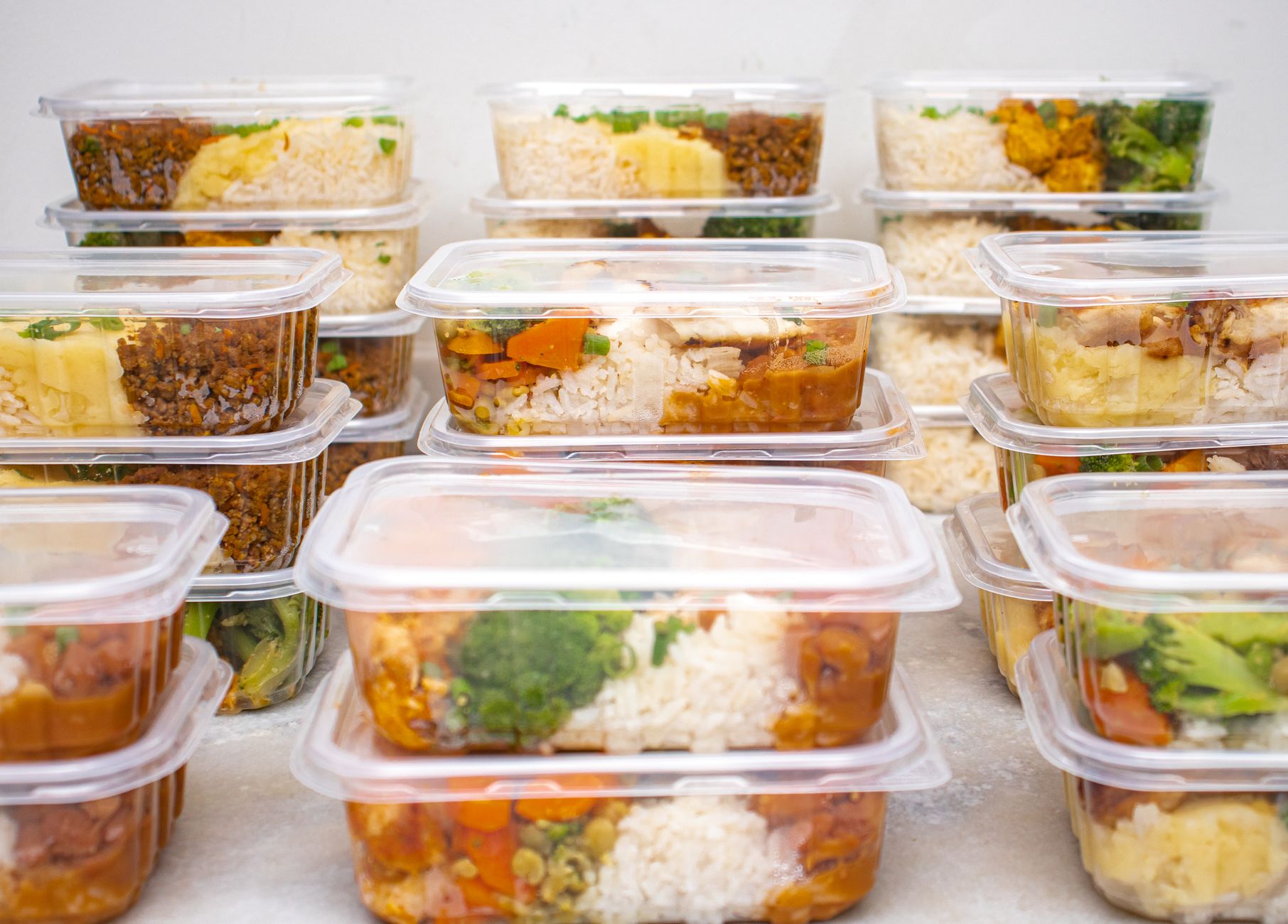
Most people picture frozen meals as greasy, sodium-packed TV dinners that barely qualify as food. That reputation is outdated, honestly. Easy frozen meals have come a long way, and when I first started keeping them on hand for busy weeknights, I was genuinely surprised by how well they fit into a real nutrition plan, not just as a backup, but as a deliberate choice.
From what I’ve seen, around half of American families pull a frozen meal out of the freezer at least occasionally. At roughly $5 a meal and ready in under 10 minutes, the math works in your favor pretty quickly, especially compared to the average takeout order.
Popular Frozen Meal Brands
A handful of brands have genuinely earned their shelf space. Amy’s Kitchen leans hard into organic, vegetarian, and gluten-free options. Healthy Choice keeps calories reasonable without making the portions feel punishing. Lean Cuisine covers a lot of ground for people watching macros. And Evol, which I’d argue is underrated, builds meals around whole ingredients and solid protein counts. During one particularly chaotic week last winter, I grabbed an Evol quinoa bowl and it held me over better than I expected. These brands have mostly moved away from the old mystery-meat era, though you’ll still find duds if you’re not reading labels.
Nutritional Value of Easy Frozen Meals
The comparison between frozen and fresh is more interesting than most people realize. Vegetables that get flash-frozen right after harvest actually lock in nutrients that slowly degrade in fresh produce sitting in a store bin for several days. In my experience, a frozen spinach or pea is often nutritionally ahead of the “fresh” bag from a grocery shelf.
That said, sodium is still a real issue with some products. I’d be lying if I said every option is clean. The better brands have reformulated over the past few years, cutting back on preservatives and sodium, but you still need to flip the box and check. Look for whole grains, a recognizable protein source, and a vegetable that isn’t just decoration.
Cost-Effectiveness
Feeding a family gets expensive fast, and easy frozen meals genuinely help. At around $5 per serving, they cost a fraction of most takeout and often less than cooking fresh if you factor in waste. Frozen meals don’t expire in three days, which matters when life derails your meal plan mid-week. Last month I did a full grocery shop, then got slammed with work, and the frozen options I had waiting meant I didn’t throw out half a fridge of produce. That kind of flexibility has real dollar value.
Easy Meal Prep Tips
Stock variety, or you’ll get bored fast and stop using them. I rotate between vegetarian bowls, higher-protein options, and grain-based meals so it doesn’t feel repetitive. Clearance sections at stores like Target or Whole Foods sometimes have perfectly good frozen meals marked down significantly, worth checking. Pairing a frozen entrée with a quick side (a handful of salad greens, some steamed broccoli) makes the whole thing feel less like a shortcut and more like an actual meal. It takes five extra minutes and closes the gap noticeably.
Healthiest Frozen Meals in 2023
A few worth keeping stocked:
- Amy’s Brown Rice & Vegetables Bowl: high fiber, clean ingredient list
- Healthy Choice Power Bowls: lean protein, solid vegetable variety
- Evol Sweet & Spicy Chicken: good flavor, decent protein
- Lean Cuisine Marketplace: balanced macros, low calorie
- Trader Joe’s Cauliflower Gnocchi: gluten-free, popular for a reason
These cover most dietary situations without requiring any real effort on a tired weeknight. They’re not fancy, but that’s not the point.
Where Easy Frozen Meals Actually Fit
Done thoughtfully, easy frozen meals are a practical tool for busy households, not a compromise. They support real nutrition goals, reduce food waste, and cost less than most alternatives. I wouldn’t lean on them exclusively (and I think most dietitians would agree), but as a regular part of a weekly rotation, they hold up well. Give yourself permission to use them without guilt.
FAQs
Are frozen meals healthy?
Many are, especially those built around whole grains, lean protein, and vegetables. Check sodium levels and ingredient lists before buying.
How do frozen meals compare to fresh?
Flash-freezing preserves nutrients effectively, so frozen often matches fresh nutritionally. Avoid options loaded with preservatives or excess sodium.
What is the average cost of frozen meals?
Most run around $5 per meal, making them noticeably cheaper than takeout and competitive with home cooking when food waste is factored in.