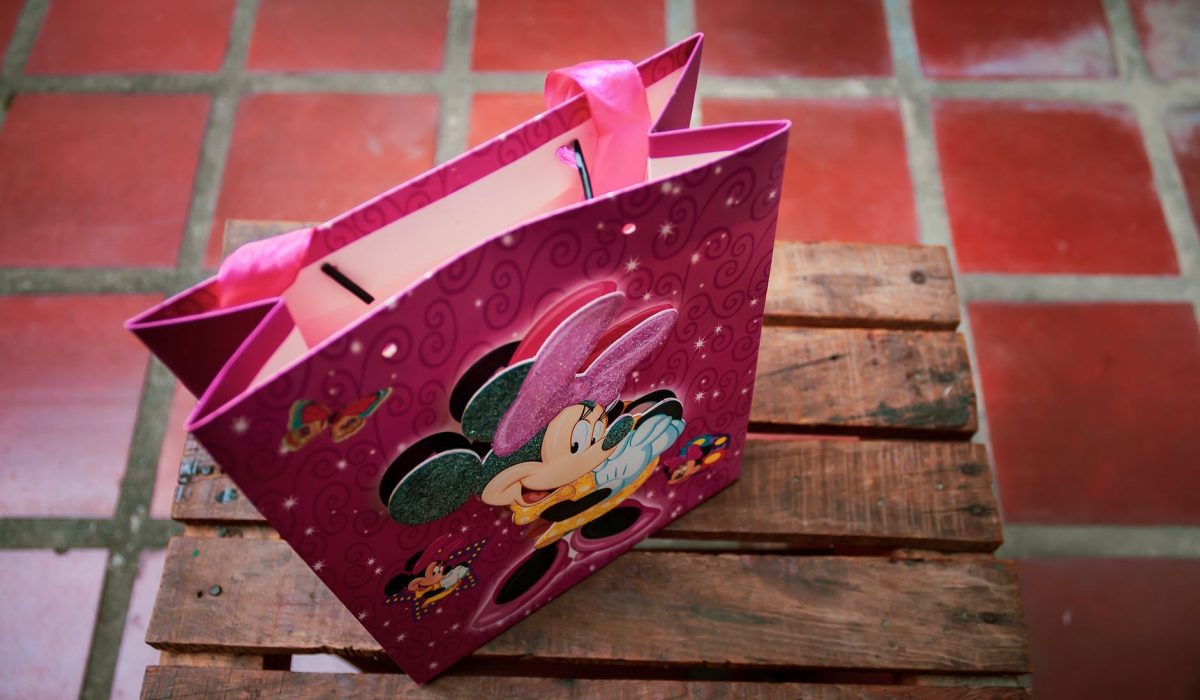
The first misconception about a pink cartoon character is that the color pink is just a lazy way to denote “cute and female.” That’s not entirely accurate, and the history of animation backs this up. Kirby’s a male character, Peppa Pig doesn’t have strong gender coding in many regions, and Jigglypuff was created for universal appeal. Pink serves a unique purpose in these designs, and it’s helpful to understand what that role actually is.
What these characters have in common isn’t gender — it’s a blend of softness with unexpected resilience. Kirby eats and destroys enemies, while Peppa Pig is, frankly, a bit rude. Even Blossom from The Powerpuff Girls leads through strength rather than solely warmth. Pink does signal approachability, but the characters beneath that palette tend to be way more layered than you might think.
Let’s take a closer look: who they are, what they represent, who their audiences are, and why this color has maintained such cultural significance for over forty years.
Iconic Pink Cartoon Characters
A few names always pop up in serious discussions about pink characters. Kirby (from Nintendo/HAL Laboratory, 1992 anime adaptation) is likely the most recognized pink character globally. Peppa Pig dominates the preschool scene in over 180 countries. Jigglypuff is one of the original 151 Pokémon and has remained a cultural mainstay. Then there’s Blossom from The Powerpuff Girls, who exemplifies a pink character: authoritative, bookish, and just a touch controlling.
Looking further back, you have Pinky from Pinky and the Brain, who’s lovable and chaotic but rarely labeled as a “pink character,” even though he fits the bill. Let’s not forget Hello Kitty, who sits between cartoon character and brand mascot but has had a major impact on character design. Most animation directors would probably agree, even if they won’t admit it.
Merchandise and Revenue Insights
The financial figures here are remarkable, even if there’s some uncertainty in licensing estimates. Peppa Pig merchandise rakes in over $1 billion a year through toys, clothing, and books. The lifetime licensing revenue for Hello Kitty hovers around $80 billion, although Sanrio’s reported figures tend to be smaller, but still staggering. And Kirby merchandise sells consistently in Japan year-round, not just during game releases.
It’s fascinating how these franchises monetize differently. Peppa Pig targets parents buying for toddlers, which skews the product range toward educational toys and clothing. Kirby collects a lot of attention from adult collectors, especially in Asia. Jigglypuff’s placed within the broader Pokémon franchise, which is the highest-grossing media franchise of all time, based on most estimates. So, in each case, pink plays a significant commercial role.
Target Demographics and Appeal
Pink cartoon characters cover a broader age spectrum than most people think. Peppa Pig targets kids aged 2 to 5, but parents often watch too, which is by design. Kirby’s games are rated E, yet the fanbase leans older, typically mid-teens to late twenties. This same group often drives sales of plushies and engages in fan art on social platforms.
Then there’s Jigglypuff, whose demographic spans anyone who grew up with Pokémon, now crossing three generations. The Powerpuff Girls gained a solid adult following during their original run in the late 1990s. When you mix pink with strength or humor instead of pure sweetness, the audience expands. That’s a trend that’s worth noting.
Representation in Animation
For quite a while, pink characters were mostly coded as female, and those that weren’t typically served as comic relief. Thankfully, that began to change since the early 2000s. Kirby shows no consistent gender identity in its games and anime, which was pretty unusual for a character from 1992. Nowadays, animation studios seem more open to assigning pink characters authority roles, regardless of gender.
The Powerpuff Girls were genuinely ahead of the curve here. Three girls, particularly the pink one, running a city’s emergency response system. That narrative wasn’t subtle but it definitely resonated. The 2016 reboot struggled partly because it softened that competitive edge. Representation should be about deeper narratives rather than just checking a box, and top pink characters shine because they’ve got distinct personalities rather than just being defined by color.
Design Elements of Pink Characters
Designers use pink for specific perceptual reasons. Rounded shapes paired with pink tones are perceived as non-threatening in just about 200 milliseconds, according to research in gestalt psychology — that’s faster than most combinations. Kirby’s a perfect circle. Peppa Pig features a roughly circular snout. Jigglypuff’s a sphere. None of this is an accident.
Contrast plays a big role, too. Blossom’s red bow against her pink skin creates a visual hierarchy, making her easy to recognize even in small sizes on merchandise. Hello Kitty’s red bow does the same. Pink characters usually have a strong accent color to avoid looking flat or washed out.
Historical Trends Since the 1980s
In the 1980s, pink cartoon characters were mainly tied to toy lines marketed at girls — think of My Little Pony or early Strawberry Shortcake. The color was as much a demographic signal as it was a design choice. Changes began in the 1990s, when Kirby, Jigglypuff, and early Pokémon anime reached a broader audience. Pink gradually stopped signaling just one group.
Then, in the 2000s, Peppa Pig normalized pink for young children of all genders in various European markets. The 2010s ushered in a revival of pink aimed at adults, with Kirby’s Epic Yarn and a resurgence of fan merchandise. Pink cartoon characters now make up a legit aesthetic category, not just a demographic label.
Cultural Impact and Legacy
The enduring appeal of the pink cartoon character boils down to a simple tension: the color hints at softness, but the best characters offer much more substantial traits underneath. That contrast is intriguing, and audiences really respond to it. Kirby has thrived for more than thirty years thanks to this dynamic. On the other hand, Peppa Pig has grown into a global franchise partly because parents find the show funnier than they expected. Jigglypuff’s signature move is adorable in some ways but also unsettling in others.
What’s most intriguing is how the cultural significance of pink has shifted. It used to narrow a character’s audience but now often broadens it. There’s enough history and variety tied to pink characters that viewers come with their own associations. That’s a real change, and it’s evolved over roughly forty years of animation.
FAQs
What are some famous pink cartoon characters?
Kirby, Peppa Pig, Jigglypuff, Blossom from The Powerpuff Girls, and Hello Kitty are all well-known globally, each anchoring significant franchises across games, animation, and merchandise.
Why are pink characters popular in animation?
Rounded pink designs are perceived as friendly and approachable quickly, making them ideal for characters designed to appeal to wide audiences. The color also contrasts nicely against most backgrounds, enhancing visibility.
How has the portrayal of pink characters changed over time?
Pink characters evolved from being limited, gender-coded marketing tools in the 1980s to more complex figures appealing across demographics by the 2000s, featuring stronger personalities and broader commercial reach.

1 Comments