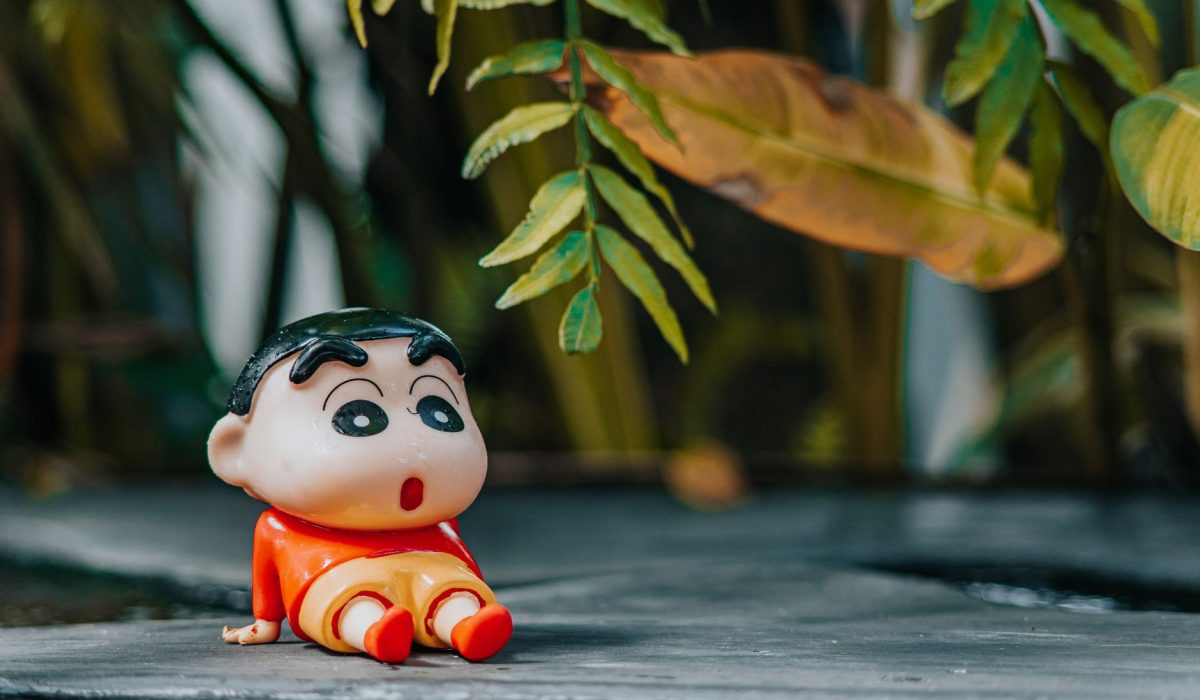
Orange cartoon characters have really made a splash in popular culture, becoming icons for many people around the world. These vibrant figures spark memories of childhood and have turned into merchandising giants. They typically exude fun, energy, and creativity. So, let’s take a closer look at some recognizable orange cartoon characters, their development over time, audience appeal, merchandise impact, and cultural references surrounding them.
Notable Orange Characters
A bunch of orange cartoon characters have caught the hearts of fans, regardless of age. Here are five that stand out:
1. Garfield – This lazy cat who loves lasagna has been around since 1978. He’s become a staple in comic strips and animated shows.
2. Tigger – Famous for his bouncy personality, Tigger first appeared in 1928 and has brought joy to fans of A.A. Milne’s Winnie the Pooh stories for ages.
3. Homer Simpson – The bumbling, donut-loving dad of The Simpsons has been keeping audiences entertained since 1989 with his comic take on family life.
4. Cheetos Chester – The cheetah mascot for Cheetos snacks made his debut in 1971, actively charming fans in ads and commercials.
5. The Incredible Hulk – Even though he isn’t always strictly depicted as orange, Hulk’s transformations often highlight vibrant colors, especially in merchandise, dating back to 1962.
These characters, with their unique traits and designs, have left a lasting mark on fans and the industries they represent.
Debut and Evolution
These characters popped up at varying times. While Tigger originated in 1928, more modern figures like Homer Simpson showed up in the late ’80s. Over the years, each character has evolved, adapting to what audiences love and shifting cultural contexts. For example, I’ve seen Garfield transition from comic strips to animated episodes and movies, keeping him relevant across generations.
Cultural nostalgia plays a role in bringing some characters back into the limelight, too. Tigger, for instance, continues to thrive in multiple media and merchandise forms, ensuring that fans still find him appealing. The growth of these characters showcases their resilience and the willingness to innovate from their creators in response to fan demand.
Audience Appeal
These orange cartoon characters reach a broad audience, capturing the attention of both kids and adults. Take Homer Simpson—he tends to resonate with grown-ups through his satirical humor about family life. Meanwhile, Tigger and Garfield appeal to younger viewers with their playful antics.
From what I’ve seen, kids are naturally attracted to bright colors, and orange is especially eye-catching. This likely explains the popularity of orange characters among the younger crowd. Plus, characters full of humor and relatability tend to connect well with older audiences, fostering a strong fan base throughout the years.
Merchandise Impact
The merchandise for these orange characters generates significant revenue. For instance, Garfield has racked up billions with items ranging from plush toys to clothing. Homer Simpson’s influence in pop culture has led to a whole spectrum of action figures, apparel, and even themed experiences.
Chester Cheetah’s link to Cheetos has also translated into successful marketing strategies, tapping into his likability to drive snack sales. The catchy slogans and memorable designs really stick in consumers’ minds, resulting in impressive profit margins.
Cultural References
Orange cartoon characters have found their place not only in animation but also in film, music, and literature. They often pop up as cultural references in various media, proving they’re still relevant. For example, Homer Simpson gets referenced in numerous TV shows, music videos, and even politics, highlighting his extensive cultural influence.
Additionally, characters like Tigger are frequently brought up in discussions about childhood innocence, finding their way into various cultural critiques. Their level of recognition shows just how embedded these characters are in our societal fabric.
Thoughts on Orange Characters
As we step into 2023, orange cartoon characters continue to flourish, evolving right alongside their audiences while staying true to their roots. Their cultural impact shines through multiple media, merchandise, and beyond. These vibrant figures remind us of the joy of creativity and humor in our lives.
It’s clear that a mix of nostalgia, engaging personalities, and smart marketing keeps solidifying their status as cultural icons. Whether we encounter them on screen, in comic strips, or through everyday products, these orange characters have become essential parts of our social landscape.
FAQs
What are some popular orange cartoon characters?
Popular orange cartoon characters include Garfield, Tigger, and Homer Simpson, each bringing their own charm and broad appeal to audiences.
When did the first orange cartoon character appear?
The first orange cartoon character, Tigger, debuted in 1928, quickly gaining a following in children’s literature and media.
Why do orange characters resonate with audiences?
Orange characters often symbolize fun and creativity, drawing in children while evoking nostalgia in adults, thus forming strong connections across various demographics.


1 Comments