Why Creators Give Characters Bobs
A bob carries real symbolic weight, and most creators know it. Louise Brooks wore one in the 1929 film “Pandora’s Box,” and her character Lulu’s fierce independence read instantly through that cut. It wasn’t subtle. The hairstyle told you everything about her defiance before she said a word.
Uma Thurman’s bob in “Pulp Fiction” worked the same way. Mia Wallace became a cultural shorthand for effortless cool, and from what I’ve seen in pop culture discussions, that look still gets referenced constantly. Recreating it at salons ran about $90 back in 1994, which tells you how quickly it crossed from screen to real life. Characters with bobs tend to arrive with a built-in reputation.
Anna Wintour has worn her signature bob since 1988, and I’d argue that’s not a coincidence of preference. It projects authority. Creators borrow exactly that association when they put a bob on a character who needs to seem in control from the first frame.
Iconic Fictional Bobs by Genre
In animation, Rei Ayanami from “Neon Genesis Evangelion” (debuting in 1995) made the bob feel quietly devastating. Her look suggests stillness and hidden strength, which suited her character far better than anything dramatic would have. Characters with bobs in anime tend to carry that same contained intensity.
Comic books use the cut differently. DC’s Black Canary has had her bob since 1969, and it signals duality: she’s a brawler and a sophisticate, sometimes in the same panel. The haircut does a lot of that work without any dialogue. Cleopatra’s blunt bob set beauty and power standards that influenced fictional female characters for roughly two thousand years afterward, which is a long run for any style choice.
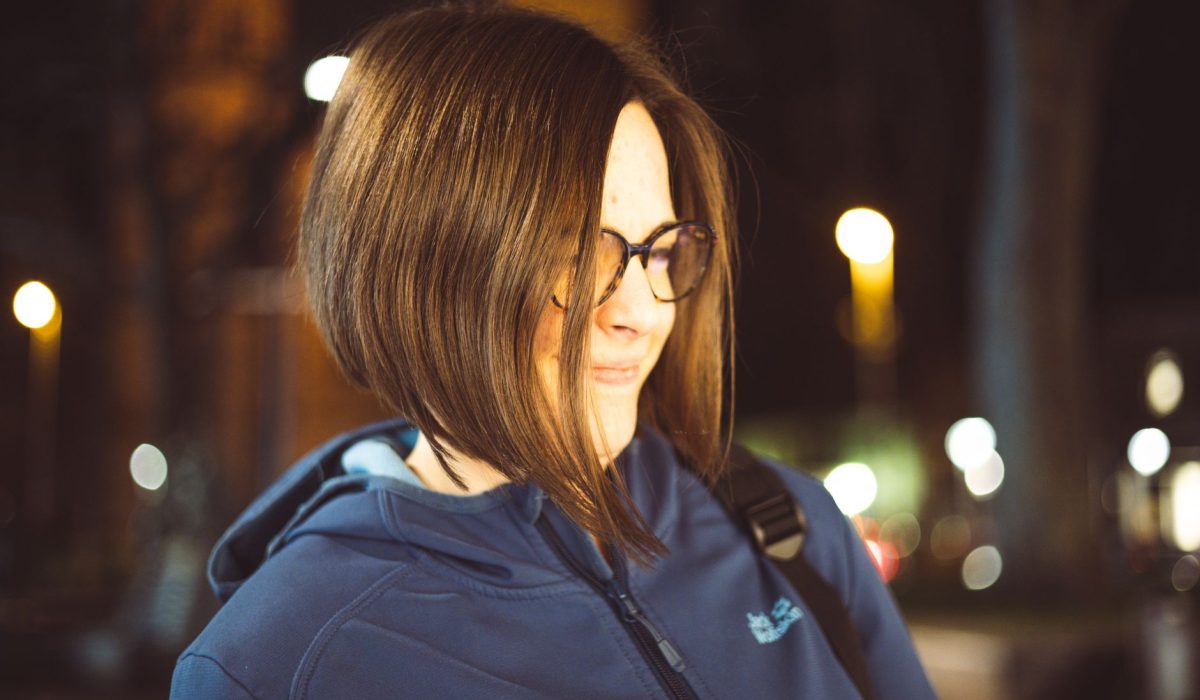
Then there’s the “lob,” the long bob, which spiked in search interest after Taylor Swift’s cut in 2014. Whether that counts as rebellion or refinement probably depends on who you ask. But it showed that characters with bobs (and the celebrities who mirror them) can shift the shape of the style while keeping its core meaning intact.
Real People Treated Like Characters
Celebrities and fictional characters have always borrowed from each other, and the bob is where that exchange gets obvious. Miley Cyrus leaned into the cut’s rebellious history at a specific career moment, consciously or not, and it read the same way it does on screen. That’s the thing about a bob: the associations travel.
I’ll admit I’m not entirely sure where influence runs in this case. Do celebrities adopt bobs because they’ve absorbed decades of fictional shorthand, or do fictional characters with bobs feel credible because we’ve watched real women use the cut to signal change? Probably both, and untangling it feels beside the point. What’s clear is that characters with bobs exist in a conversation between fiction and real life that’s been going on for over a century, and neither side seems ready to drop the subject.
The bob persists because it’s legible. Audiences read it fast, creators use it deliberately, and the meaning stays flexible enough to fit a flapper, a superhero, or a fashion editor equally well.
FAQs
What cartoon characters have bob haircuts?
Velma from “Scooby-Doo” and Kim Possible are well-known examples, with their bobs shortcutting traits like intelligence and confidence before they act.
Why do so many female characters have bobs?
Bobs signal independence or transformation quickly, and creators use that visual shorthand to establish a character’s arc without extra exposition.
What is the most famous bob hairstyle in movies?
Louise Brooks’ bob in “Pandora’s Box” is the most cited, largely because it defined the flapper era and set the template for characters with bobs that followed.