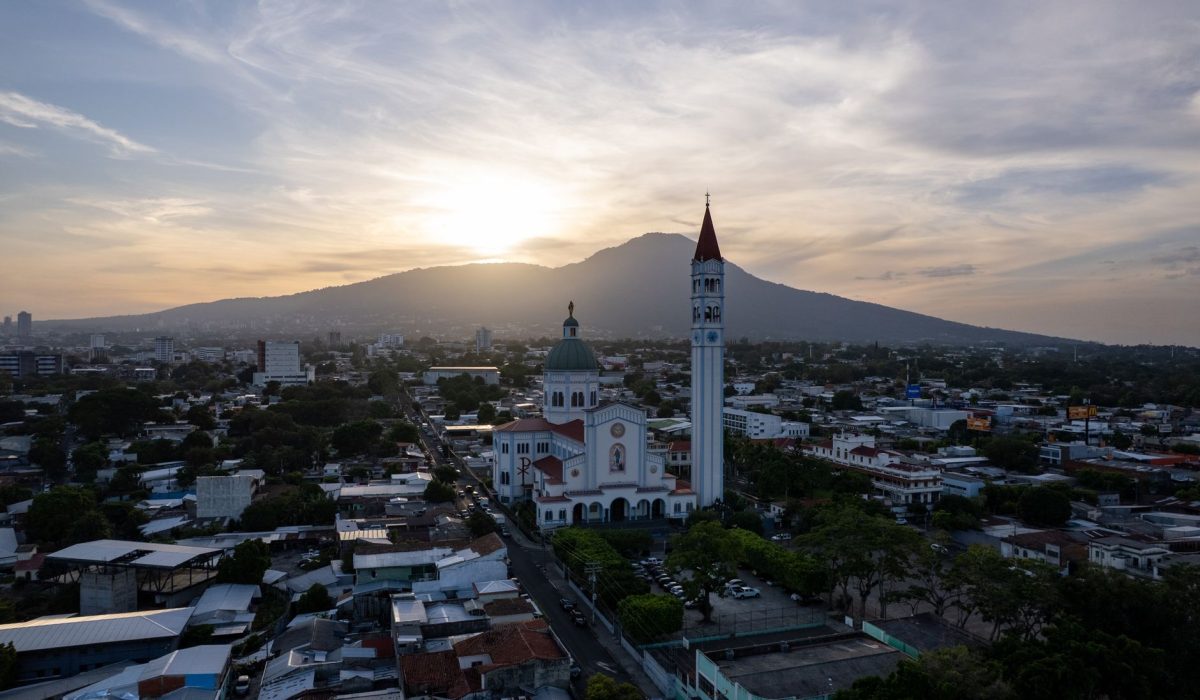
I handed a street vendor fifty cents and got two of the best things I’d eaten all week. That’s El Salvador in a nutshell.
Most folks still picture this country through a narrow lens — either surfers at El Tunco, the Santa Ana volcano, or maybe a news story from years back. But when you travel El Salvador with an open mind, you discover something special: it’s a small country that rewards curiosity. You’ll find colonial towns with hardly any tourists, a Bitcoin payment system that’s both strange and surprisingly functional, and a daily cost of living that makes Southeast Asia look pricey.
If you’re a US or EU citizen, you don’t need a visa, which is a relief. You land, get your passport stamped, and you’re good to go. Plus, the country operates using US dollars (and, technically, Bitcoin), so there’s no need to stress over currency exchange either.
El Salvador’s First Impressions
The first thing that’ll surprise you is how compact it is. El Salvador is the tiniest country in Central America, about the size of Massachusetts. Because of that, getting from San Salvador to El Tunco beach takes roughly 45 minutes by bus or taxi. This accessibility changes how you plan your trip. You won’t feel like you’re committing a whole day every time you want to explore a new spot.
The second surprise is the Bitcoin situation. In 2021, El Salvador made Bitcoin legal tender alongside the US dollar. Practically speaking, you’ll find it accepted in bigger restaurants, some hotels, and tourist-friendly shops via the government’s Chivo wallet app. I wouldn’t depend on it exclusively, but using it for a meal or a coffee can be fun. A few vendors near El Tunco have QR codes taped to handwritten signs, which is strangely charming.
The third surprise is Semana Santa. If you’re there during Holy Week, brace yourself. Over 500,000 visitors flood the beaches and colonial towns in just that week. Prices jump, buses fill to the brim, and accommodations book out weeks in advance. It’s worth experiencing for the atmosphere, but make sure to plan ahead and expect a crowd. Any other week, though, the place feels much quieter.
Must-See Destinations
El Tunco grabs most of the international spotlight, and it’s easy to see why — the black sand beach, the consistent waves, and a load of budget-friendly hostels make it an obvious choice. Still, journeying into the interior reveals a different side of El Salvador, one that feels more authentic.
The Ruta de las Flores links four enchanting colonial towns in the western highlands: Nahuizalco, Salcoatitán, Juayúa, and Apaneca. You can traverse the whole route in a day by bus, making stops wherever something piques your interest. Juayúa hosts a weekend food festival where you can grab grilled meats, soups, and desserts for just a dollar or two each. Apaneca, situated at around 1,800 meters, offers cooler air — a refreshing break from the coastal heat.
Don’t underestimate San Salvador. The Zona Rosa and Colonia Escalón neighborhoods have decent dining options and cafes for you to explore. You can visit the National Palace and the Metropolitan Cathedral for free. I spent half a day at the Mercado Central and walked away with locally roasted coffee, a handwoven bag, and a full belly for under $8 total.
Budgeting and Getting Around
When you travel El Salvador on a budget, expect to spend $30–$50 a day. A hostel bed typically costs between $10 and $15. You can find pupusas — those delicious stuffed corn tortillas that are everywhere — for just $0.50 to $1 each at roadside stands or local eateries. You’ll want three or four to be satisfied. Expect local lunches of chicken, rice, and beans to set you back around $3 to $5.
Getting around is pretty straightforward with chicken buses and minivans. A bus ride from San Salvador to Santa Ana costs less than a dollar. Taxis and ride-sharing apps (Uber’s available in the capital) are affordable. Renting a car can work if you’re venturing to remote areas, but it’s not necessary.
Now, about safety. That’s a real concern. The situation has improved since 2022, when the government took strong action against gang violence. Crime rates have dropped significantly, and most tourist areas feel safe. Still, I’d avoid exploring unknown neighborhoods alone at night, and some border areas should be skipped altogether. Always check your government’s current travel advisory before heading out, since things can change quickly.
Travel Tips for Next Month
To travel El Salvador effectively, it pays to slow down a bit. The good stuff doesn’t always jump out at you. Find a pupusa stand with a line of locals at 7am. Seek out a colonial church in Salcoatitán that’s open on a Tuesday with nobody around. Hit up a bar in El Tunco where someone hands you a drink and says, “Pay me tomorrow.” You’ll miss the country’s real charm if you’re always rushing to check off Instagram landmarks.
Pack a light rain jacket if you’re going between May and October. Bring cash, even if you think you’ll use Bitcoin. Most importantly, explore the Ruta de las Flores before it gets too popular.
FAQs
Is El Salvador safe for tourists?
Most tourist areas feel relatively calm since the 2022 security measures. Check your government’s travel advisory before you book, as conditions can shift.
Can you actually pay with Bitcoin in El Salvador?
Yes, Bitcoin is accepted in tourist areas and many larger businesses, but you should carry US dollars as your main form of payment.
What is the best time of year to visit El Salvador?
Visit from November to April for the dry season, which is the easiest time to travel. Try to avoid Semana Santa unless you’ve secured your lodging well in advance.
1 Comments