

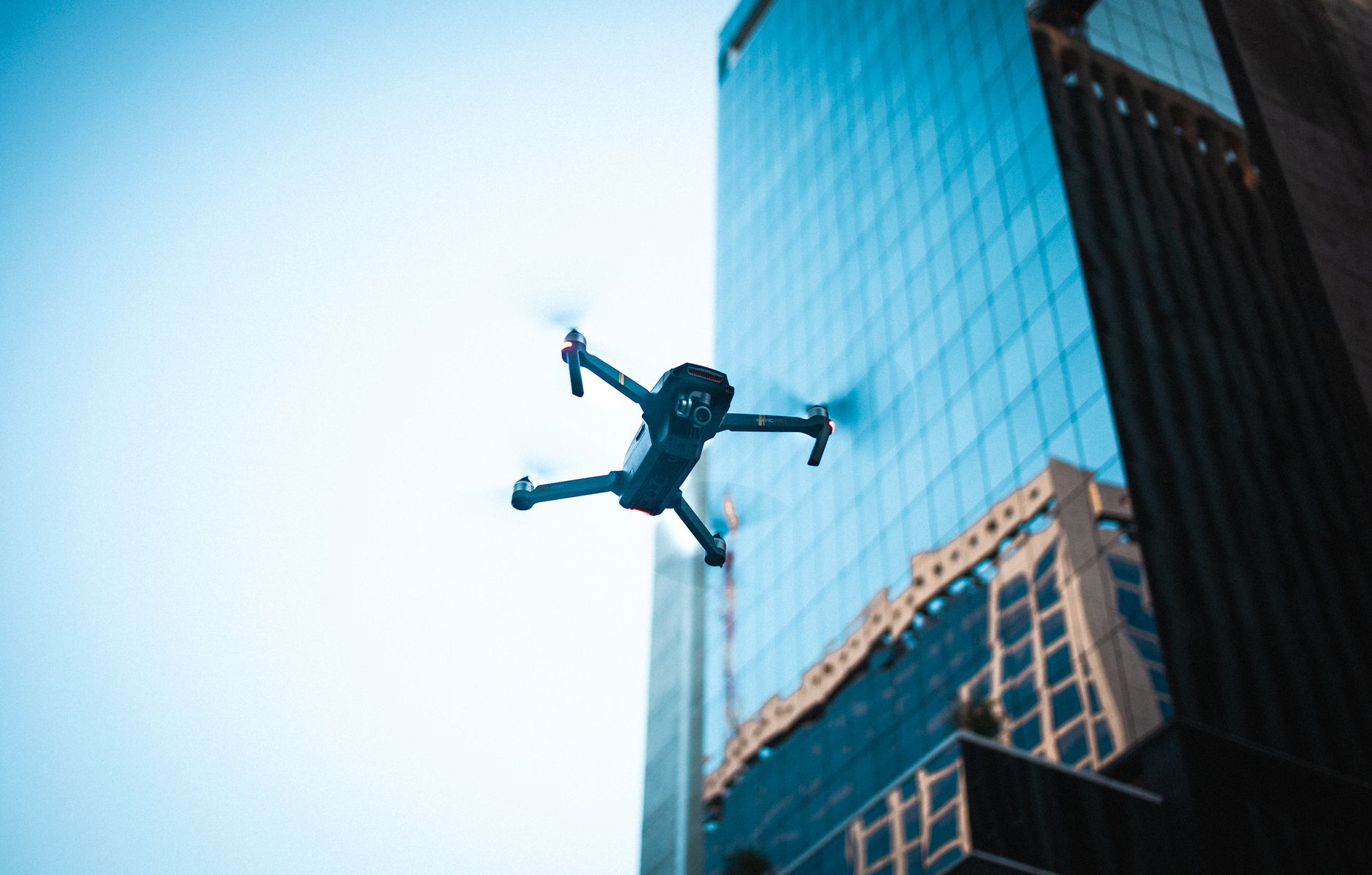
The drone industry is growing fast, and the numbers back it up: estimates point to $10 billion in market growth by 2025, with a 15% average annual growth rate driving most of it. Startup costs hover around $5,000, which makes a lot of drone business ideas genuinely reachable for someone starting out. And roughly 1,200 new drone pilot jobs are expected by 2024, which tells you the demand for skilled operators is real, not speculative.
Drones have moved well past aerial photography. They’re showing up in agriculture, insurance, environmental work, and security, and some of the most interesting drone business ideas sit in corners most people haven’t looked at yet.
Drone Services for Events
Event planning has gotten more visual, and drones fit right into that shift. Live-streaming, 360-degree festival coverage, wedding aerial shots — clients are willing to pay for this because the footage looks like nothing a tripod can produce. When I’ve seen event packages quoted, they typically run $500 to $2,000 depending on scope, editing included. That’s a reasonable day’s work for a single operator.
Security is another angle worth considering. Real-time aerial surveillance at large concerts or private gatherings commands a premium, and venue managers often have budget for it that they’re not spending anywhere useful.
Agriculture Drone Innovations
Farmers are using drones for crop monitoring, NDVI mapping, pest detection, and livestock tracking, and from what I’ve seen, the ones who adopt early tend to stick with their service providers. The agricultural drone market is projected to reach $1.5 billion by 2025. If you buy a capable mapping drone for around $3,000, you can offer field mapping and crop health reports that genuinely save a farm operation time each season.
Precision agriculture is one of those drone business ideas where repeat contracts are common. Farmers need seasonal check-ins, not one-off surveys, so your revenue compounds if you hold onto clients.
Environmental Monitoring
This one surprised me when I first looked into it. Government agencies and nonprofits need habitat mapping, deforestation tracking, and pollution monitoring, and drones collect that data faster and cheaper than ground crews. Project costs typically range from $2,000 to $10,000 depending on complexity and area covered. That’s a wide range, and honestly it depends heavily on whether you’re working a 50-acre wetland or a 500-acre logging site.
The honest downside here is that grant cycles and government procurement timelines are slow. You might wait months between a signed agreement and your first payment. Worth planning your cash flow around that.
Security and Surveillance
Commercial security is a crowded market, but drone surveillance carves out its own lane. Construction sites, warehouses, and large retail properties all have perimeter monitoring needs that fixed cameras handle poorly. Drones cover ground faster and spot things cameras miss. Monthly contracts in this space often land between $1,500 and $5,000 depending on site size and how much real-time monitoring the client needs.
Setup costs run higher here because quality hardware and monitoring software aren’t cheap. But recurring contracts make the math work over time.
Niche Market Opportunities
A few drone business ideas that don’t get enough attention: local delivery services for small retailers, real estate virtual tours (which sell properties faster, in my experience), and insurance aerial assessments after storms or fires. Insurance companies especially are hungry for fast, accurate damage documentation, and a drone pilot who can turn around clean reports quickly will stay busy.
Drone pilot training is another underrated option. Certified pilots are genuinely in demand, and structured training packages, both ground school and flight hours, can run $500 to $1,500 per student. Fulfilling work, and the margins are solid.
Future Trends in Drone Business
Autonomous drones are getting cheaper and more reliable every year. By 2025, industry projections suggest the majority of commercial drones will be capable of operating without a pilot on the sticks, which lowers your labor cost per job significantly. That changes the math on drone business ideas that currently need two people to run safely.
FAA rules in the US are also loosening. Proposed changes would expand where and how commercial operators can fly, which opens up drone business ideas that weren’t viable two years ago. Keeping track of regulatory updates isn’t glamorous, but it genuinely matters here.
Where to Start
The range of drone business ideas is wider than most people realize, and the entry cost is low enough that you don’t need outside funding to test one. Pick a niche that matches skills you already have — if you know agriculture, start there; if you have a security background, lean into surveillance. The operators who do well aren’t necessarily the ones with the best drones. They’re the ones who understand their client’s problem before the flight even starts.
FAQs
What are the best drone business ideas?
Event services, agricultural monitoring, environmental assessments, and security surveillance all offer strong demand and repeat contract potential.
How much do I need to start a drone business?
Around $5,000 typically covers a capable drone, FAA licensing, and basic marketing to land your first clients.
What regulations should I know for drone operations?
In the US, you’ll need an FAA Remote Pilot Certificate and must follow airspace restrictions before operating commercially.