Running errands, walking to work, climbing stairs repeatedly or standing up for a long period of time can be called the most common activities in one’s daily routine, however, all of them seem to demand good care of the ankles. In case you feel any kind of pain, weakness or instability in your ankles, even the simplest activities become really hard to perform.
Extra assistance is necessary to maintain balance while performing daily activities. The decision about which ankle brace will be the best one to choose depends greatly on the needs of your everyday life, the required support level as well as comfortability.
This guide explains how to choose the best ankle brace for daily support, explores various important features along with the practical tips to help you make smart shopping decisions.
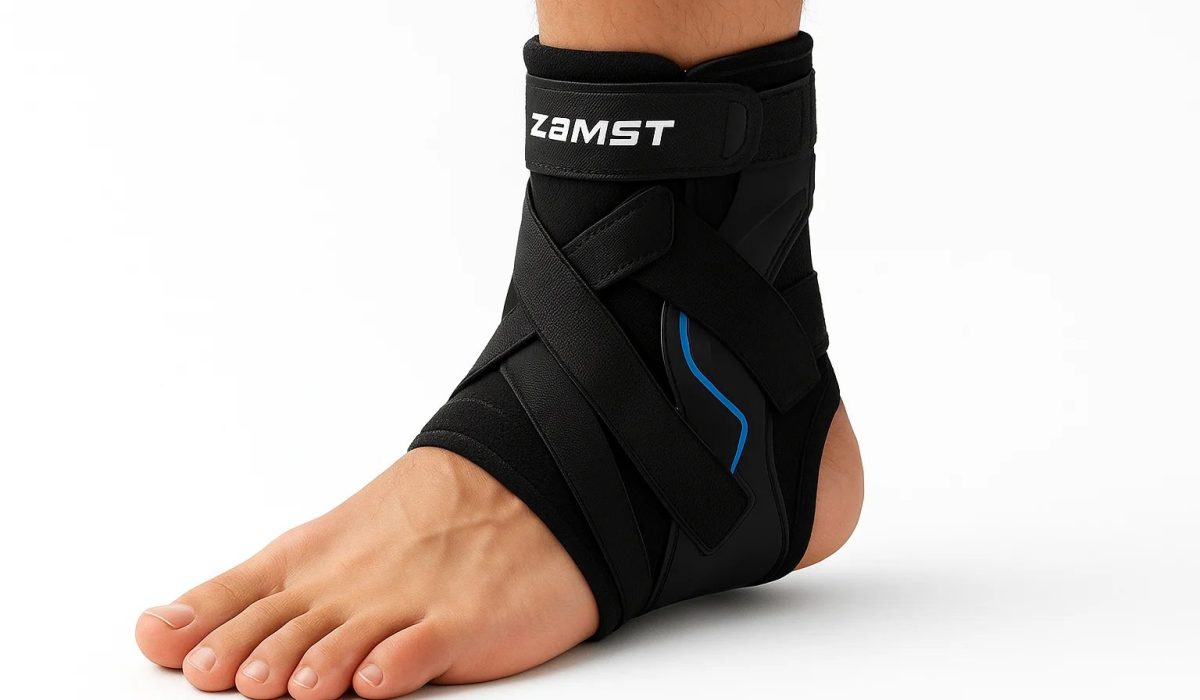
Ankle brace is an orthopedic device meant for wearing around the ankle. This helps in providing compression, as well as controlling excessive joint movements. Ankle braces are normally constructed in such a manner that makes them comfortable to use. The design is normally flexible and convenient. They can be useful for people who usually
- Spend long hours standing at work
- Walk long distances
- Experience ankle sprain
- Have discomfort while completing certain daily tasks
- Have history of ankle injury and surgery
- Need support during rehabilitation
Look for Comfortable and Breathable Material for the Ankle Brace
Comparing the materials, you should take into account your surroundings as well as lifestyle. The quality of material plays an important role in comfort during wear. The most common materials used in ankle braces are:
- Cotton: Soft as well as comfortable to the touch
- Nylon: Durable as well as light in weight
- Lycra: Flexible material that allows the brace to be fitted to the ankle
- Neoprene: Warm as well as flexible material
Get The Right Size
Even the best ankle brace may not be able to work effectively or may cause discomfort if it is not fitted properly. An ill-fitted ankle brace would continue to slip when you walk as well as a tightly fitted one would cause numbness and other issues.
This is how to get the best fit:
- Take ankle size measurement
- Refer to the sizing guide
- See whether the brace will fit in the shoes you usually wear
- Test the fit during movement
Try walking a bit to see if the brace moves around or rubs against your skin
- Look out for pressure spots
The brace should not dig into your skin or create painful areas
Check Durability And Maintenance
If you want to wear the brace every day, durability will be an important aspect to look into. This is because the brace will be subjected to excess sweat, rubbing with skin as well as cleaning frequently.
Before purchasing, ensure:
- Quality of stitching and seams
- Whether straps and fasteners stay intact
- Whether the fabric can still maintain elasticity
How to wash and dry the ankle brace –
Wash the brace carefully and let it dry completely before putting it on. Avoid using rough cleaning techniques that might harm the elastic materials.
Common Mistakes To Avoid
Incorrect sizing
Ill-fitting may lead to slipping, irritation or pressure.
Using excessively tight brace
Too much pressure will cause numbness, tingling as well as pain.
Neglecting skin irritation
Any signs of redness, blisters or irritation should not be ignored.
Using the incorrect brace for too long
Obey medical advice regarding duration and usage of brace.
Neglecting the signs of ankle discomfort
Observe any symptoms of pain and irritation, including inflammation, swelling along with pain as well as the condition of your ankle when wearing the brace. In case the brace is causing you pain, you need to stop using it and visit a doctor.
When To Consult A Doctor?
You should get assistance from a medical practitioner when:
- You have consistent pain in your ankle
- You have swelling or bruising due to an injury
- When there is trouble placing weight on your ankle
- Your symptoms are deteriorating despite taking adequate rest
- When your ankle has pain after experiencing a fall, twist or hit
In the event of obvious deformity, excruciating pain, very cold and discolored or insensitivity in your foot, you need immediate assistance.
Conclusion
The selection of the optimal brace for your everyday usage requires the assessment of its fit and comfort in combination with materials to ensure the comfort all day long. Take into account all factors prior to purchasing. Be guided by comfort and follow all the fitting recommendations.
The most crucial thing is to understand the following: the best ankle brace is the one which provides enough support and at the same time does not interfere in terms of comfort as well as mobility. If properly selected and used, this supportive tool will become an integral part of your routine allowing you to feel more confident in everyday activities along with providing support to your overall ankle health.