
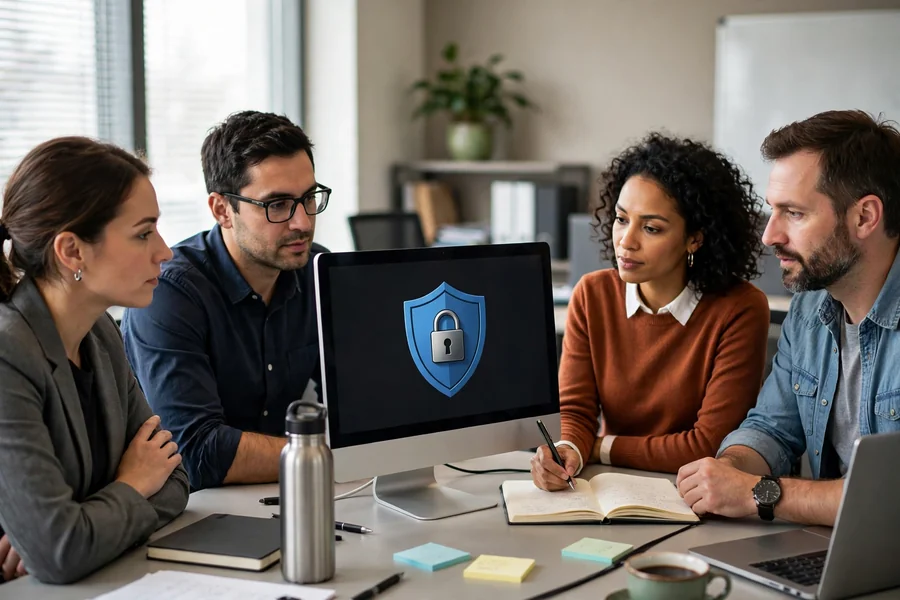
Companies invest heavily in firewalls, antivirus software, and secure networks, and those tools are essential. Yet many security incidents still begin with a simple human moment: a click on a convincing email, a reused password, or a quick reply to what looks like a request from the boss. Technology can block a huge number of threats, but people remain a central part of every organization’s defense.
The encouraging news is that people can also be your strongest protection. When employees understand common risks and feel confident reporting anything suspicious, they become an active line of defense rather than a weak point.
Why culture matters more than rules
Security policies are important, but a document that sits unread in a shared folder rarely changes behavior. Culture is what people actually do when no one is watching. In organizations with a strong security culture, employees pause before clicking unfamiliar links, double-check unusual payment requests, and speak up without fear of blame.
Building that culture takes time and consistency, but it pays off in fewer incidents and faster responses when something does go wrong.
Start with leadership
Employees take cues from leaders. When executives follow security practices themselves, use multi-factor authentication, and talk openly about the importance of protecting data, it sends a clear message that security is a shared priority. When leaders bypass rules for convenience, the opposite message spreads quickly.
Consider having a senior leader open each training session or share a short note explaining why security matters to the company’s customers and future.
Make training practical and ongoing
One annual training video is rarely enough. Effective programs are short, frequent, and grounded in real situations employees recognize. Topics worth covering include:
- Recognizing phishing emails and suspicious text messages
- Creating strong passwords and using a password manager
- Verifying payment or banking changes through a second channel
- Handling sensitive data safely, including customer and financial information
- Working securely from home and on public Wi-Fi
- Reporting incidents quickly and knowing exactly who to contact
Interactive formats, such as quizzes, real-world examples, and brief discussions in team meetings, tend to stick far better than long lectures.
Use simulated phishing as a learning tool
Simulated phishing campaigns, where employees receive safe test emails designed to resemble real attacks, help people practice spotting warning signs. The goal is learning, not punishment. When someone clicks, provide immediate, friendly guidance on what to look for next time. Over time, click rates typically fall and reporting rates rise.
Reward reporting
One of the most important behaviors to encourage is reporting. An employee who flags a suspicious email, even if it turns out to be harmless, helps the whole organization. Thank people publicly for reporting, share anonymized examples of caught threats, and make the reporting process as simple as clicking a button.
Avoid blaming employees who make honest mistakes. If people fear consequences, they may hide problems instead of raising them, which allows small issues to become serious ones.
Support people with the right tools
Culture works best when it is backed by strong technology. Email filtering, multi-factor authentication, endpoint protection, and automatic updates reduce the number of threats that ever reach employees. Clear policies on device use and data access make expectations easy to follow.
Many organizations find it valuable to bring in specialists to build and maintain this foundation. A partner such as Chrysalis Tech Group can combine managed security tools with practical employee awareness programs, helping companies create a security culture that feels approachable and fits naturally into everyday work.
Measure progress
Track a few simple indicators to see how your culture is evolving:
- Phishing simulation click and reporting rates.
- Training completion across teams.
- Time between an incident occurring and being reported.
- Adoption of multi-factor authentication and password managers.
Share progress with employees so they can see the impact of their efforts.
Keep the conversation going
Threats evolve constantly, so awareness should too. Short monthly tips, updates about new scam techniques, and occasional refresher sessions keep security top of mind without overwhelming anyone. Celebrating milestones, such as a record number of reported phishing attempts, turns security into a shared success story.
Stronger together
A security-aware culture does not happen overnight, but every conversation, training session, and reported email moves the organization forward. When leaders set the example, employees feel supported, and the right tools are in place, people become one of the most effective safeguards a business can have. In the end, protecting a company is a team effort, and every team member has a role to play.